
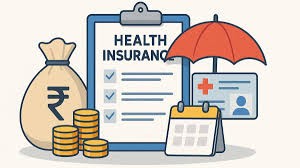
Health and insurance coverage are among the most important components of personal financial planning. They provide protection against unexpected medical expenses and help individuals access necessary healthcare services without facing overwhelming financial burdens.Healthcare costs can be significant, especially during emergencies or long-term medical treatments. Insurance helps reduce out-of-pocket expenses by covering a portion of medical costs, making healthcare more affordable and accessible.
Health insurance plans typically include coverage for doctor visits, hospital stays, preventive care, prescription medications, and specialized treatments. Preventive services are particularly valuable because they encourage early detection and treatment of health conditions.Beyond healthcare access, insurance contributes to financial security. Without adequate coverage, unexpected medical expenses can quickly disrupt savings and create long-term debt. Insurance acts as a safety net that protects both health and finances.
Many employers offer health insurance as part of their employee benefits packages. Government-sponsored programs and private insurance providers also offer options for individuals and families with different needs and budgets.When selecting a health insurance plan, it is important to consider factors such as premiums, deductibles, network providers, and coverage limits. Comparing plans carefully helps ensure the chosen policy aligns with healthcare requirements and financial goals.
Insurance is not limited to medical coverage. Dental, vision, life, disability, and critical illness insurance can provide additional layers of protection against unexpected events.As healthcare costs continue to rise, maintaining appropriate health and insurance coverage remains one of the most effective ways to safeguard financial stability and ensure access to quality medical care when it is needed most.